Model EthicS Policy for Cultural Institutions
What are the responsibilities of a British cultural institution, organisation or charity at a time when the gravest of crimes are being committed in plain sight in Gaza?

What are the responsibilities of a British cultural institution, organisation or charity at a time when the gravest of crimes are being committed in plain sight in Gaza?
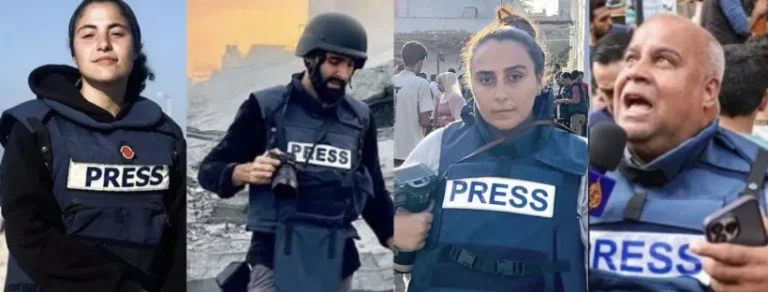
In response to a statement by the Royal Television Society (copied below), UK Screen Industry has said: “We welcome the Royal Television Society’s U-turn in reinstating the Special Award for the courageous Palestinian journalists of Gaza. However, the charity’s statement does little to address or allay our concerns.
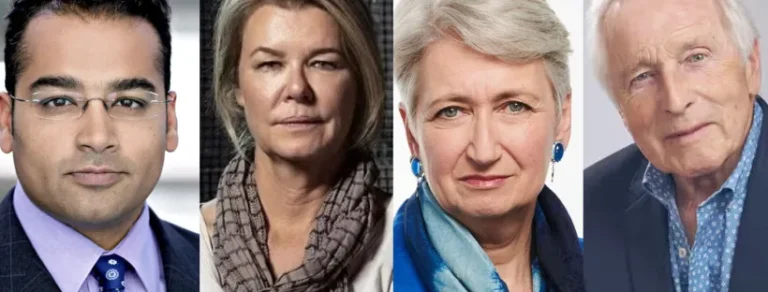
Broadcasters Jonathan Dimbleby, Lindsey Hilsum, Sangita Myska, Matt Frei, Krishnan Guru-Murthy, Alex Crawford, Fergal Keane and Orla Guerin are among more than 400 TV and journalism professionals who have sent a letter to the leadership of the Royal Television Society (RTS) demanding transparency around its decision-making after the charity abruptly cancelled its Special Award for journalists in Gaza last week.
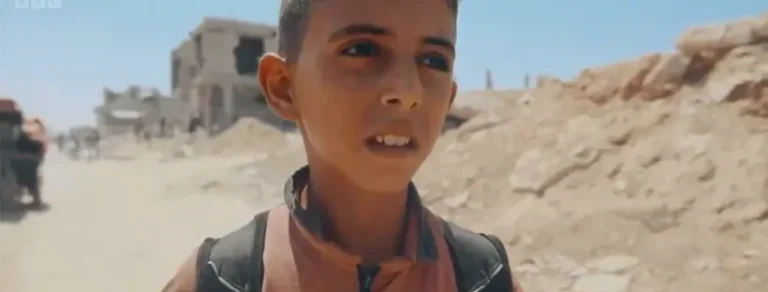
“We welcome Tim Davie saying an independent review of the BBC’s Middle East coverage is appropriate and urge that this accounts for its abject failure to stand by the Palestinian voices it features. We all know Israeli guests would never be treated this way.”
UK TV and film programme-makers have urged a panel of MPs to press BBC executives on Tuesday over the controversial removal of a documentary about children in Gaza.
Following Thursday’s BBC board meeting and statement on ‘Gaza: How to Survive a War Zone’, Artists for Palestine UK said: “We are appalled that the BBC has chosen to give credence to a politicised campaign that sought to discredit a documentary about children’s experiences of unspeakable Israeli military violence, because one child’s father was deputy agriculture minister in Gaza. This disgraceful decision comes despite nearly 900 media figures having warned the BBC of the dangers of such an approach.
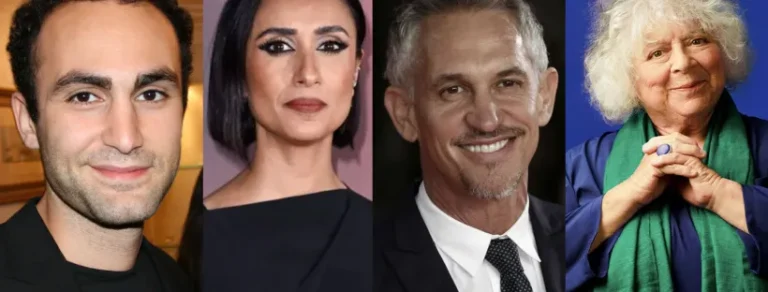
Gary Lineker, Brian Cox, Sangita Myska, Nish Kumar, Khalid Abdalla, Anita Rani, and Miriam Margolyes have joined over 1,000 film, TV, and media workers in condemning censorship and racism after the BBC pulled a documentary about children’s lives in Gaza.
The media professionals, including sixteen BBC staff, sent a letter to the broadcaster’s director-general Tim Davie, chair of the board Samir Shah, chief content officer Charlotte Moore, and head of news and current affairs Deborah Turness on Wednesday. The letter condemned a “racist” and “dehumanising” campaign targeting the film Gaza: How to Survive a War Zone, which the BBC removed from its iPlayer streaming service after pressure from supporters of Israel.
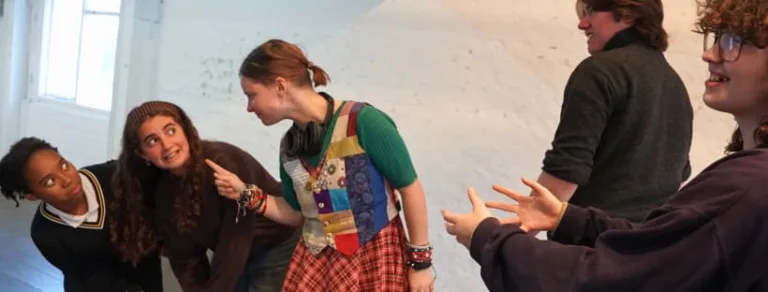
Leading artists, including writer Michael Rosen, actors Billy Howle and Khalid Abdalla, playwrights Caryl Churchill and Tanika Gupta and composer Orlando Gough, have spoken out against attempts to damage the reputation and stifle the work of Brighton’s ThirdSpace theatre company.
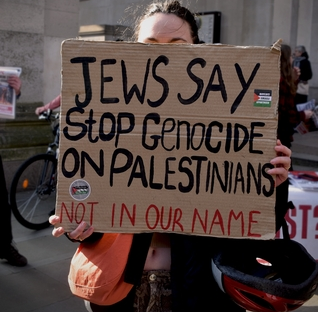
Royal Academicians Jock McFadyen, Rana Begum, Vanessa Jackson, Tim Shaw, David Nash, Helen Sear, David Mach and Goshka Macuga are among hundreds of arts professionals condemning the Royal Academy of Arts’ anti-Palestinian censorship after it removed two artworks from its Young Artists’ Summer Show. In an open letter published today by Artists for Palestine UK, the…
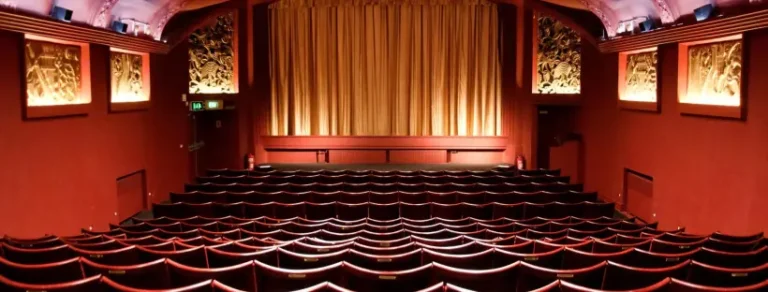
Picturehouse and Curzon cinemas have already refused to host the festival. The festival has also been refused at the Cines Girona, Barcelona. We believe there is no moral or ethical justification for a British cultural venue to do ‘business as usual’ with any organisation that is sponsored by the Israeli regime while it intensifies its genocide against 2.3 million Palestinians in Gaza.